Humane Bird and Bat Deterrent Methods for Large Buildings
People seeking humane bird and bat deterrent methods for large buildings aim to prevent pest issues ethically, and local service providers can help implement effective, humane solutions.
If you’re a property owner dealing with bird or bat activity around large buildings, you’re in the right place to find practical solutions. Birds and bats can sometimes become a nuisance, causing damage or creating health concerns, especially when they roost or nest in hard-to-reach areas. Exploring humane bird and bat deterrent methods for large buildings offers a way to manage these issues effectively while respecting the animals. Local service providers specialize in implementing these methods, helping property owners maintain their buildings’ safety and integrity without harm.
Understanding the options available for humane bird and bat deterrent methods can make a significant difference in how issues are addressed. Whether it’s preventing birds from nesting on ledges or discouraging bats from roosting in vents, professional local contractors have experience with safe, effective techniques suited for large structures. Keep reading to learn more about how these humane solutions work and how trusted local providers can assist in keeping your property bird- and bat-free in a compassionate way.
- Bird and Bat Deterrent Installation - Building managers seeking humane methods to prevent bird and bat roosting on large structures can rely on local contractors experienced in humane deterrent installation.
- Exclusion and Prevention Services - Property owners facing ongoing bird and bat issues on expansive buildings often turn to local pros for humane exclusion techniques that protect wildlife without harm.
- Bird and Bat Deterrent Maintenance - Large building owners needing ongoing humane deterrent systems to remain effective can work with local service providers for regular maintenance and adjustments.
- Wildlife Deterrent Consultation - Those unsure about the most humane approach for large structures can consult with local experts to develop customized deterrent plans that respect wildlife.
- Deterrent System Removal and Upgrades - When humane bird and bat deterrent methods need updating or removal, local contractors can provide safe, humane solutions tailored to large building needs.
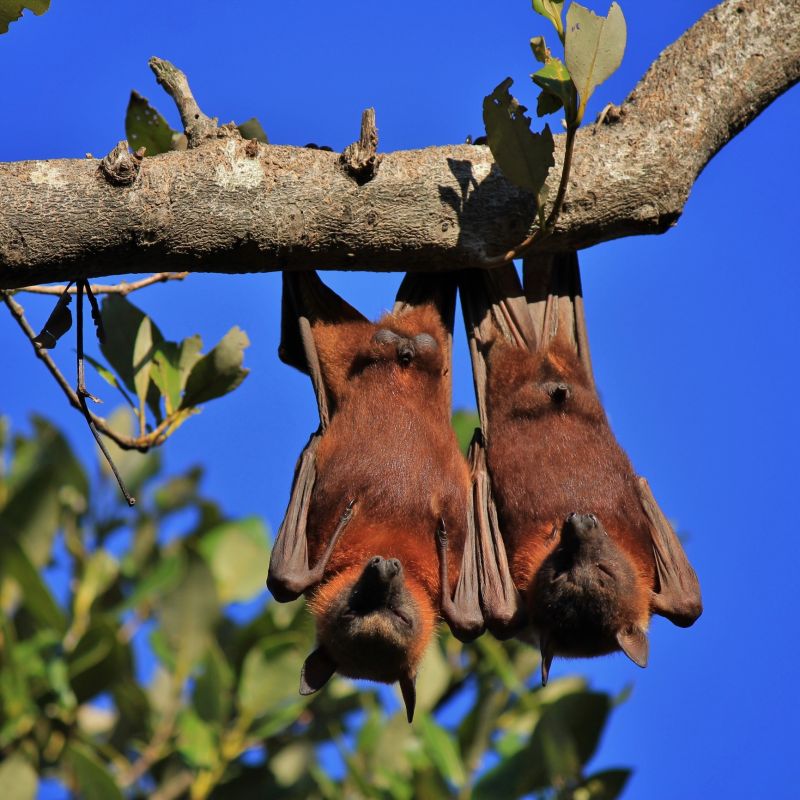
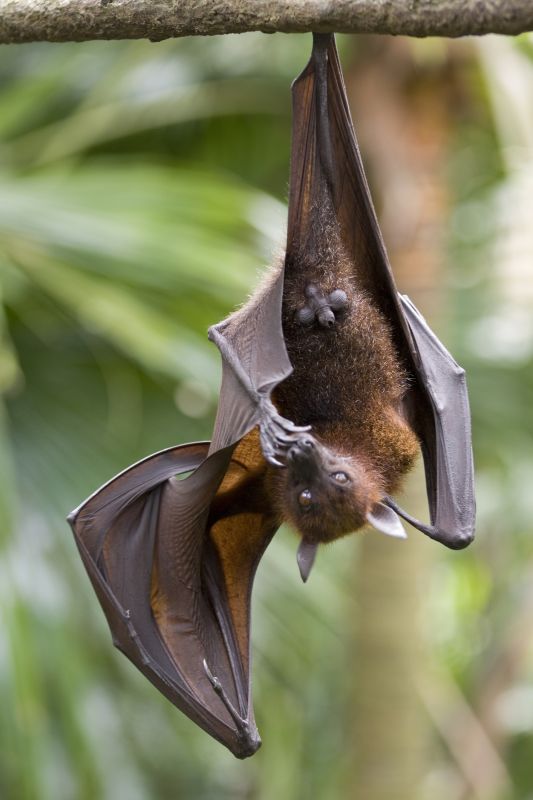
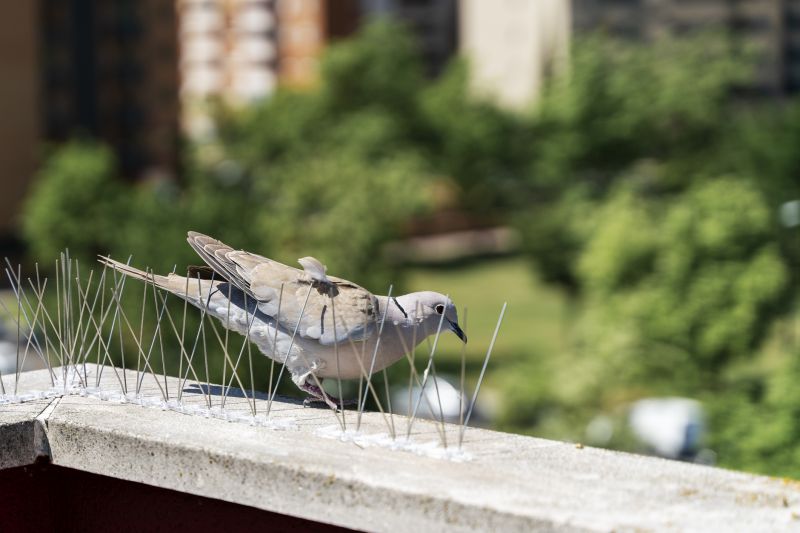
When searching for humane bird and bat deterrent methods for large buildings, most people are looking for ways to prevent these animals from roosting or nesting on their property without causing harm. Large commercial structures, warehouses, office towers, and industrial facilities often attract birds and bats because of their size and available ledges or crevices. Property owners and managers typically want effective solutions that keep these animals away while adhering to humane practices, avoiding lethal methods or damage to the building. The goal is to find approaches that protect the building’s integrity and maintain a safe, animal-free environment without resorting to harmful traps or poisons.
These projects are usually related to problems such as excessive bird droppings, noise from bat colonies, or damage caused by nesting materials. Bird droppings can create slip hazards and lead to costly cleaning, while bats may cause concerns about disease transmission. Many property owners plan to implement deterrent methods as part of ongoing maintenance or in response to specific infestations. They often seek out strategies that are both humane and long-lasting, aiming to discourage animals from settling on ledges, eaves, or rooftop areas. Local service providers who specialize in humane deterrent methods can help assess the property, recommend suitable solutions, and install devices that are designed to be safe for animals but effective at deterring them from large structures.
Properties that typically come up in these projects include commercial office buildings, retail centers, industrial warehouses, and large institutional facilities. These properties often have extensive exterior surfaces, such as rooftops, parapet walls, and open ledges, which are attractive to birds and bats. In some cases, historic or architecturally significant buildings also require humane solutions to prevent damage or aesthetic concerns. Homeowners with large properties or outbuildings may also seek guidance if they notice bat or bird activity around their property. Local contractors experienced in humane bird and bat deterrent methods understand the unique challenges posed by these types of properties and can recommend tailored solutions that respect both the building’s design and the well-being of the animals.
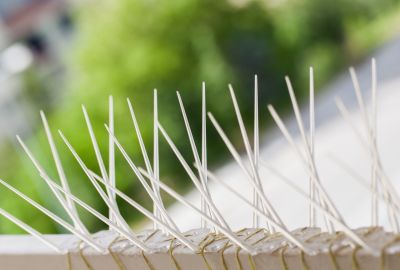
Understanding how humane bird and bat deterrent methods fit into real projects helps property owners see the value of working with local service providers. These professionals can evaluate the specific needs of each property, considering factors like building height, structure type, and local wildlife regulations. They often employ a variety of humane techniques, such as bird spikes, netting, sonic deterrents, or exclusion devices, to create physical or auditory barriers that discourage animals from settling. By connecting with experienced local contractors, property owners can ensure that the chosen methods are appropriate for their building and align with their goals of humane treatment and effective deterrence. This approach helps maintain building safety and appearance while respecting the local wildlife.
Bird exclusion projects involve installing physical barriers and deterrents on large buildings, which require planning and specialized tools similar to humane bird deterrent methods.
Wildlife proofing services focus on preventing birds and bats from nesting in building structures, sharing skills in humane exclusion techniques and site assessment with large building deterrent projects.
Building retrofit and enclosure projects involve modifying existing structures to prevent wildlife entry, utilizing planning and installation skills applicable to humane bird and bat deterrent methods.
Urban wildlife management includes strategies to safely reduce bird and bat populations around large structures, paralleling the humane approaches used in deterrent methods for buildings.
Mesh and netting installation for pest control requires precise planning and installation, similar to the techniques used in humane bird and bat deterrent projects on large buildings.
Raptor deterrent system projects involve installing humane visual or auditory deterrents to keep birds away, aligning with the skills used in humane bird and bat deterrent methods for large structures.
When evaluating service providers for humane bird and bat deterrent methods for large buildings, experience with similar projects is an important factor to consider. Contractors who have successfully handled large-scale bird and bat deterrent installations are more likely to understand the unique challenges associated with different building types and environments. Asking about their past work can provide insight into their familiarity with the specific techniques and equipment necessary for humane deterrent solutions, helping ensure the chosen professional has the relevant expertise to address the project's scope effectively.
Clear written expectations are essential when selecting a service provider. A reputable contractor should be able to outline the scope of work, the methods they plan to use, and any maintenance or follow-up procedures in a straightforward manner. This transparency helps prevent misunderstandings and ensures that the homeowner understands what will be done, how it will be accomplished, and what results to expect. Detailed communication about the process also facilitates a smoother working relationship and allows for better planning and coordination.
Reputable references and good communication are key indicators of a dependable service provider. Homeowners should seek out local contractors who can provide references from previous clients, especially those with projects similar in size and scope. Additionally, a contractor who communicates clearly and responds promptly to questions demonstrates professionalism and a commitment to customer service. These qualities help build confidence that the service provider will be attentive to the homeowner’s needs, provide thorough explanations, and maintain open lines of communication throughout the project.
Property owners often search for humane bird and bat deterrent methods for large buildings when they are planning practical projects around their homes and businesses. Local pros provide Humane Bird and Bat Deterrent Methods services for everyday jobs and straightforward project options.
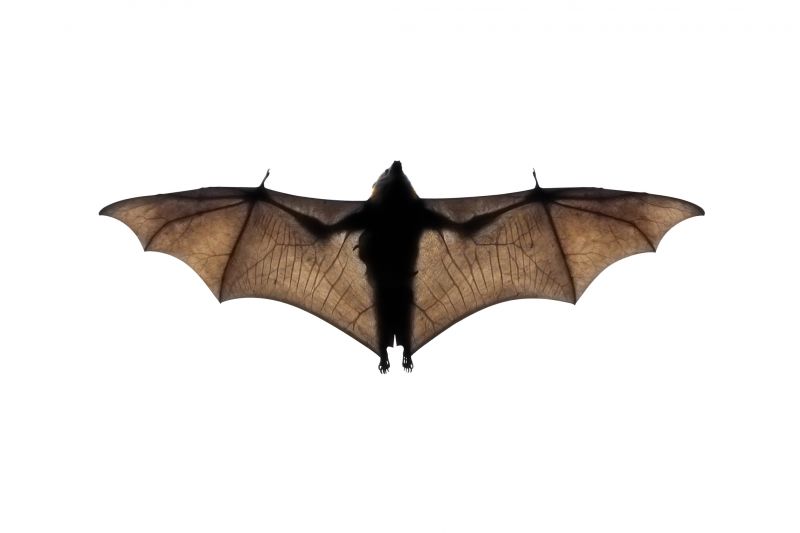

Many property owners in the area are faced with the challenge of managing bird and bat populations around large buildings. These animals can sometimes cause damage to structures, create noise issues, or lead to debris buildup, prompting owners to seek effective deterrent solutions. When considering humane bird and bat deterrent methods for large buildings, it’s common to look into local contractors who specialize in humane, non-lethal strategies that protect both the animals and the property. These professionals often have experience installing deterrent systems that discourage roosting or nesting without harming the wildlife, making them a practical choice for property managers aiming to address these concerns responsibly.
Property owners might also look into humane bird and bat deterrent methods for large buildings to comply with local regulations or to avoid the complications associated with more aggressive exclusion techniques. Local service providers can offer tailored solutions that are designed to be safe for the animals while effectively preventing their return. Whether it’s installing visual deterrents, modifying building features, or applying humane exclusion devices, these experienced contractors can handle the job efficiently. Connecting with local pros ensures that property owners receive expert guidance on humane methods that align with their specific needs and building types.
What are humane bird and bat deterrent methods for large buildings? Humane bird and bat deterrent methods for large buildings involve non-lethal techniques designed to discourage these animals from roosting or nesting, such as visual deterrents, habitat modification, and exclusion devices. Local service providers can assess the building and recommend effective, humane solutions tailored to the specific situation.
How do humane deterrent methods prevent birds and bats from roosting? Humane deterrent methods prevent birds and bats from roosting by making the building less attractive or accessible, using techniques like bird spikes, netting, or sonic devices. Local contractors can install and maintain these deterrents to ensure they are effective and humane.
Are humane bird and bat deterrent methods effective for large buildings? Yes, when properly implemented by experienced service providers, humane deterrent methods can be effective for large buildings, reducing bird and bat presence without causing harm. The effectiveness depends on the correct choice and installation of deterrent devices.
What types of humane deterrent devices are used for large buildings? Common humane deterrent devices for large buildings include bird spikes, netting, visual scare devices, and sonic deterrents. Local pros can recommend the best options based on the building's design and the species involved.
Can humane bird and bat deterrent methods be combined for better results? Yes, combining different humane deterrent methods can improve effectiveness and ensure a more comprehensive approach. Service providers can design integrated solutions to address specific bird and bat issues on large buildings.
Install visual deterrents - property owners can work with local contractors to set up reflective surfaces or decoy predators that discourage birds and bats from roosting on large building facades.
Use humane exclusion devices - local service providers can help design and install barriers or one-way entry systems that allow birds and bats to leave but prevent re-entry.
Apply sound-based deterrents - professionals can set up ultrasonic or distress call devices that make large building areas less attractive to birds and bats without causing harm.
Implement habitat modification strategies - local contractors can recommend structural adjustments or removal of nesting sites to discourage wildlife from settling on large buildings.
If you are thinking about humane bird and bat deterrent methods for large buildings for a property, this guide is meant to help you understand this topic, the typical project types, and how different options might fit your plans.
When you are ready, you can use the quote form on this page to share a few details about your project. From there, local pros can review the basics and follow up with options that match what you have in mind.