Optimal Timing for Bat Eliminations
Bat eliminations are most effective during specific times of the year when bats are less active or absent from structures. Timing can influence the success rate and safety of removal procedures. Understanding bat behavior and seasonal patterns helps determine optimal periods for intervention.
Spring marks the beginning of bat activity as they emerge from hibernation. Eliminations during early spring can prevent colonies from establishing inside structures.
Summer is when colonies are at their largest. Eliminating bats during this period requires careful planning to avoid harming young bats still in the roost.
Fall is ideal for bat removal as bats prepare to migrate or hibernate. Removing bats before they hibernate minimizes the risk of re-entry.
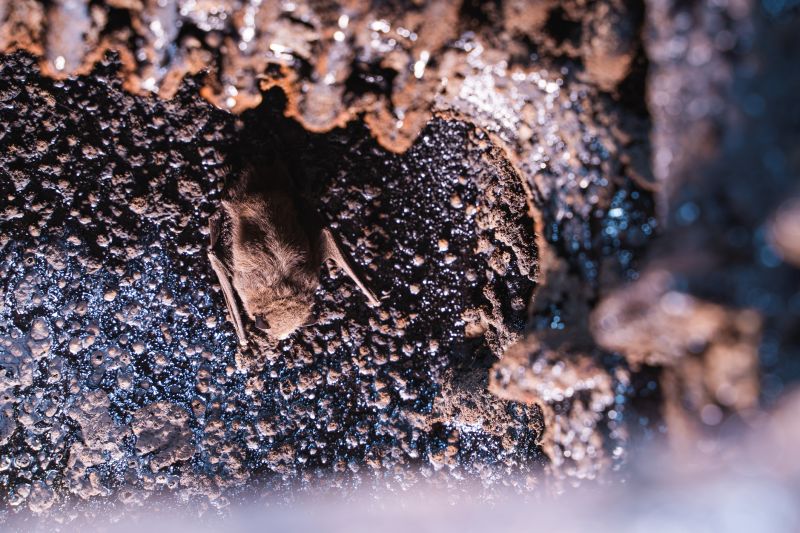
Winter is generally unsuitable for bat eliminations due to hibernation. Disrupting hibernating bats can cause stress and health issues.
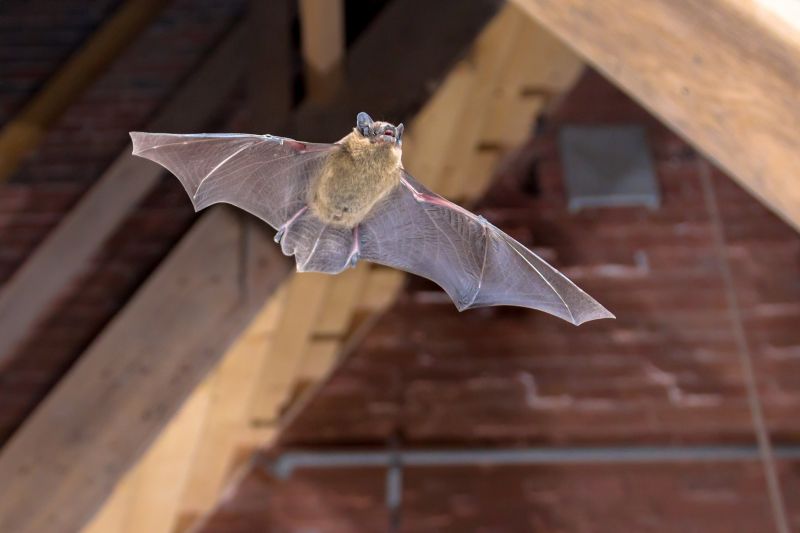
Identifying entry points is crucial for effective elimination. Bats often enter through small gaps or openings.
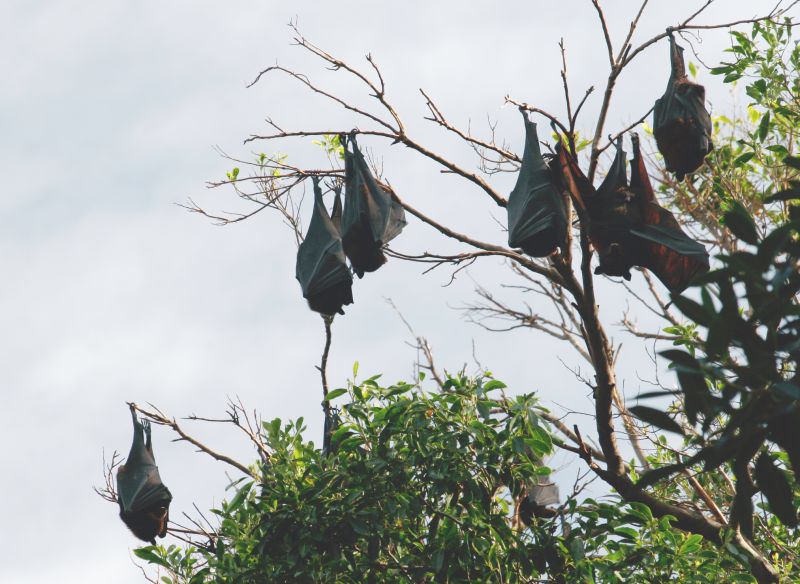
Common roosting sites include attics, eaves, and wall cavities, which are targeted during elimination.

Bats exit structures at dusk to forage, making evening inspections useful for locating colonies.

Ways to make Bat Eliminations work in tight or awkward layouts.

Popular materials for Bat Eliminations and why they hold up over time.

Simple add-ons that improve Bat Eliminations without blowing the budget.
Bat eliminations involve removing bats from structures to prevent damage and health concerns. Bats are nocturnal mammals that roost in sheltered areas during the day, often inside buildings or trees. Their presence can lead to staining, odor, and potential transmission of diseases. Eliminating bats requires understanding their habits and implementing humane, effective methods to ensure they do not return.
| Season | Best Practices |
|---|---|
| Spring | Monitor emerging colonies and seal entry points before bats settle. |
| Summer | Use exclusion devices carefully to avoid trapping young bats. |
| Fall | Perform removals before hibernation begins. |
| Winter | Avoid interventions during hibernation periods. |
| Late Summer to Early Fall | Optimal window for effective bat elimination. |
Devices like one-way doors allow bats to exit but prevent re-entry during elimination.

Proper sealing of openings is essential after bat removal to prevent future invasions.

Follow-up inspections ensure bats do not return and that all entry points are sealed.
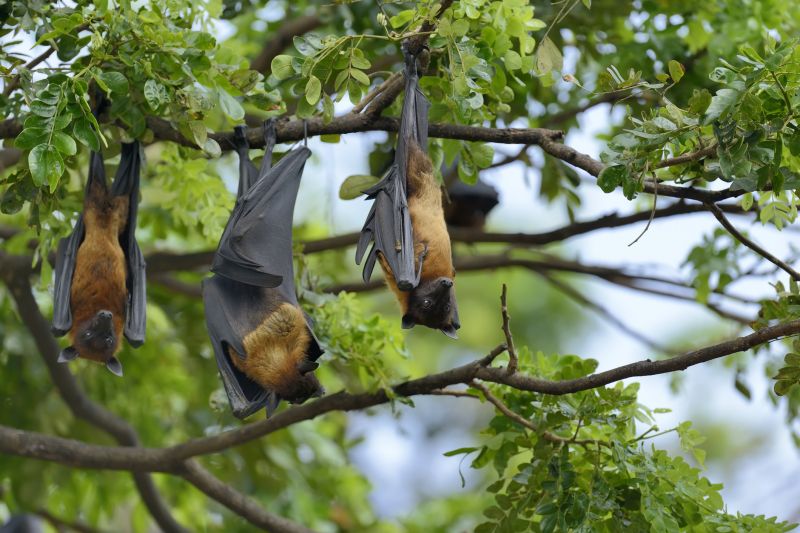
Scheduling eliminations during inactive periods minimizes stress on bats and enhances safety.

High-end options that actually feel worth it for Bat Eliminations.

Finishes and colors that play nicely with Bat Eliminations.
Understanding the seasonal patterns of bats is essential for effective elimination. Proper timing ensures humane treatment, reduces property damage, and minimizes health risks. Consulting with professionals can help identify the most appropriate time for intervention based on local bat activity cycles.

Attics are common roosting spots, especially during the warmer months.

Locating small gaps and cracks is vital for successful exclusion.
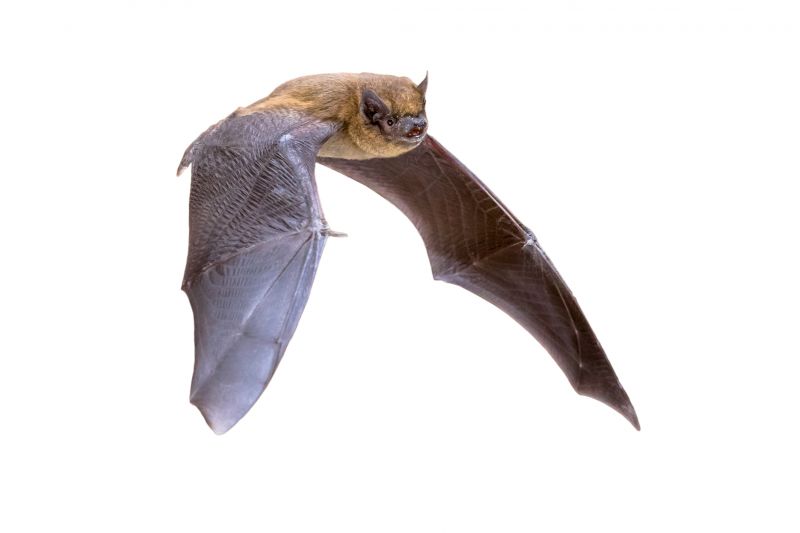
Using humane exclusion methods during the right season ensures successful bat control.
If interested in scheduling bat eliminations, filling out the contact form provides a way to discuss options and plan the most suitable timing for removal. Proper timing and methods are key to effective and humane bat control.